A residential electrician installs, repairs, and maintains electrical systems in homes. Their work includes wiring, outlets, lighting, circuit breakers, and electrical panels. They also find faults that can cause power loss, damaged equipment, or electrical hazards. Homeowners rely on these professionals for safe repairs and electrical upgrades.
If you are searching for what is residential electrician, the simple answer is a trained electrical professional who works on household electrical systems. This guide explains their duties, services, qualifications, and the signs that your home needs electrical help. You will also learn how to choose the right professional for your property.
What Does a Residential Electrician Do?
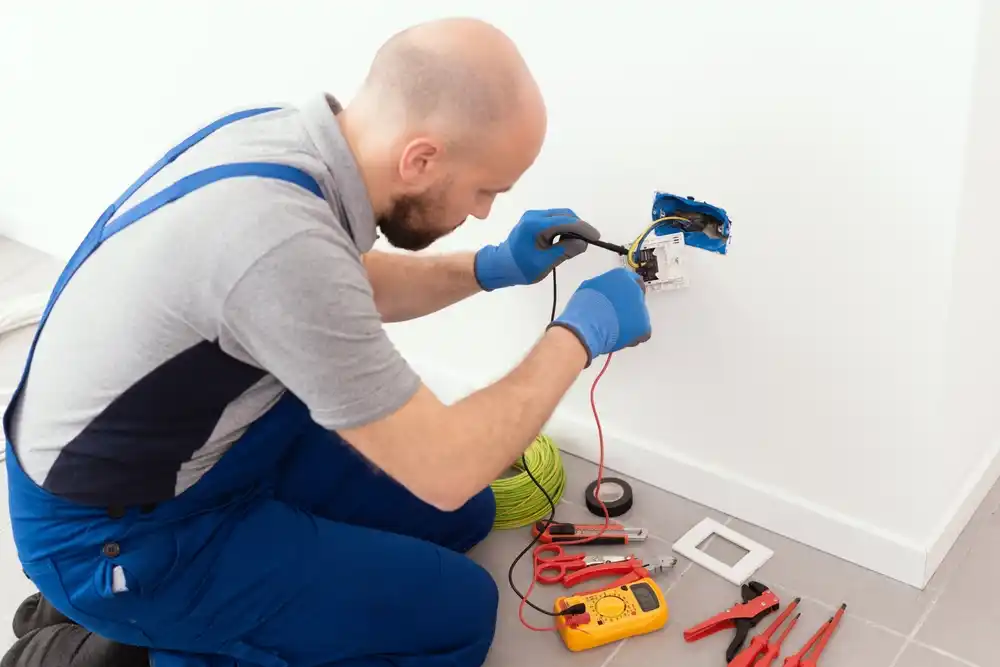
A residential electrician works on the electrical systems that power everyday life at home. Their main job is to keep these systems working safely and correctly. The work may involve new installations, fault repairs, inspections, and upgrades.
Here are the main tasks they handle.
1. Installing and Repairing Electrical Wiring
Electrical wiring carries power from the main supply to outlets, lights, and appliances. An electrician installs new wiring during construction and replaces damaged wiring when needed.
Old, loose, or damaged wires can create shock and fire risks. An electrician checks the affected circuit, identifies the cause, and determines the right repair. They also make sure the work meets applicable electrical codes.
2. Fixing Outlets, Switches, and Lights
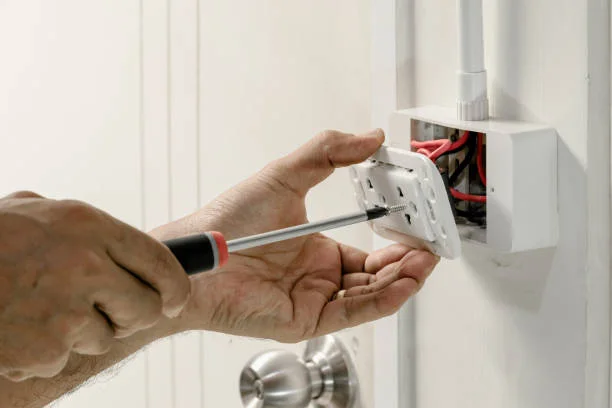
Outlets and switches can stop working because of loose connections, worn parts, or circuit faults. A residential electrician tests the affected area and finds the source of the problem.
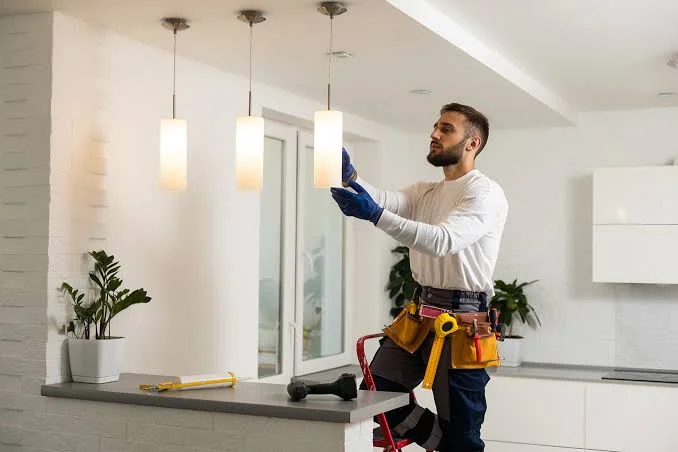
They also install ceiling lights, wall lights, dimmer switches, and other fixtures. Proper installation helps prevent loose connections, overheating, and other electrical issues.
3. Inspecting Circuit Breakers and Electrical Panels
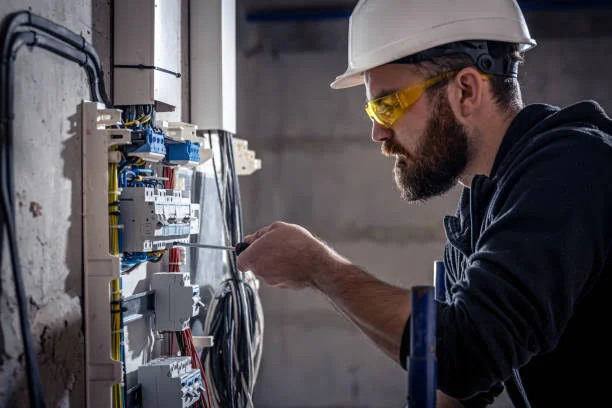
The electrical panel distributes power throughout your home. Circuit breakers help protect circuits when an overload or short circuit occurs.
If a breaker trips often, an electrician investigates why. The cause may involve an overloaded circuit, a faulty appliance, damaged wiring, or another electrical fault. Replacing the breaker without finding the cause may not solve the problem.
An electrician can also assess whether your panel needs repair or an upgrade.
4. Testing and Troubleshooting Electrical Problems
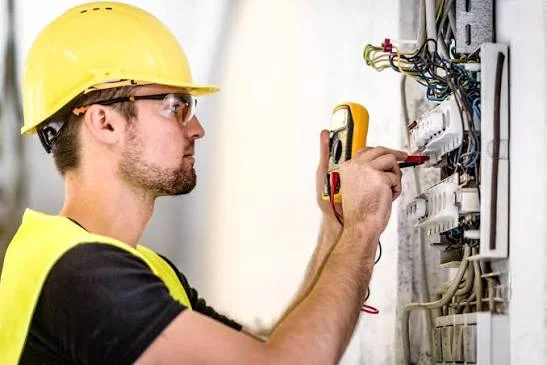
Electrical troubleshooting means finding the source of a fault before making repairs. An electrician may test circuits, inspect connections, and check electrical components with suitable tools.
For example, if several lights flicker when an appliance starts, the electrician can assess whether the issue comes from the circuit, the appliance, or the power supply. Testing helps guide the repair instead of relying on guesswork.
What Types of Properties Do Residential Electricians Work In?
Residential electricians mainly work in buildings used as homes. The exact work depends on the property’s age, layout, electrical system, and power needs.
Common property types include:
- Single-family homes: Wiring repairs, lighting installation, panel upgrades, and new outlet installation.
- Apartments and condominiums: Repairs to unit wiring, switches, outlets, and lighting, subject to building rules.
- Townhouses: Electrical upgrades, circuit repairs, and wiring work during renovations.
- Multi-family homes: Electrical work in individual units and approved shared areas, depending on the electrician’s scope and authorization.
- Newly built homes: Installation and testing of electrical systems during construction.
Older homes may need extra care because their wiring and panels may not support today’s electrical loads. New homes also need proper planning to support appliances, lighting, heating, and other equipment.
In apartment buildings, some electrical systems serve multiple units. Work involving shared panels or building-wide wiring may require coordination with the property manager and an appropriately licensed contractor.
When Should You Hire a Residential Electrician?
Electrical problems are not always easy to spot. Some faults cause an immediate loss of power, while others show warning signs before a larger issue develops.
Consider calling a qualified electrician when you notice the following problems.
Frequent Circuit Breaker Trips
A breaker that trips repeatedly may indicate an overload or fault. Do not keep resetting it without finding the cause. An electrician can inspect the circuit and recommend a suitable fix.
Flickering or Dimming Lights
One loose bulb may be a simple fixture issue. However, several flickering lights can point to a wiring problem, a circuit fault, or a supply issue. Arrange an inspection if the problem continues.
Burning Smells or Warm Outlets
A burning smell, a hot outlet, scorch marks, or buzzing sounds can signal a dangerous electrical fault. Stop using the affected outlet or equipment. If you see smoke, sparks, or fire, move away and call emergency services.
Do not remove outlet covers or attempt repairs yourself.
Outlets That Stop Working
A dead outlet may result from a tripped breaker, a faulty outlet, or a wiring issue. An electrician can test the circuit and identify the cause.
Renovations and New Appliances
Kitchen upgrades, basement renovations, and new high-power appliances may require changes to your electrical system. Have an electrician check the existing capacity before adding new loads.
Old or Damaged Wiring
Cracked insulation, exposed wires, loose connections, and signs of overheating need professional attention. Older homes may also benefit from an electrical assessment before major renovations.
Residential Electrician vs. Commercial Electrician
Both residential and commercial electricians work with electrical systems. The main difference is the type of property, equipment, and electrical demands they handle.
| Feature | Residential Electrician | Commercial Electrician |
| Main workplace | Houses, apartments, and other homes | Offices, shops, and commercial buildings |
| Typical systems | Household wiring, outlets, lighting, and panels | Commercial circuits, lighting systems, and building equipment |
| Common tasks | Home repairs, renovations, and electrical upgrades | Business installations, repairs, and maintenance |
| Project needs | Based on household use and property layout | Often shaped by business operations and larger electrical loads |
The two roles can overlap, and some electricians work in both settings. The right choice depends on the job and the professional’s training, license, and experience.
For example, replacing a faulty outlet in a house is typical residential electrical work. Installing a large electrical distribution system in a commercial building may require a contractor with relevant commercial experience.
What Qualifications Should a Residential Electrician Have?
Electrical work requires technical knowledge, practical skills, and an understanding of safety rules. Requirements vary by location, so homeowners should check local laws before hiring someone.
Training and Practical Experience
Many electricians learn through trade school, an apprenticeship, supervised work, or a combination of these paths. Training covers wiring methods, electrical theory, safe tool use, circuit protection, and code requirements.
Practical experience helps electricians recognize common faults and choose suitable repair methods. Ask whether the professional has handled work similar to your project.
Licensing and Local Code Requirements
Some areas require specific licenses for electrical contractors and individual workers. Other rules may depend on the type of work and property.
In New York City, electrical work and permits are governed by applicable city rules. Do not assume that every person offering electrical repairs is authorized to perform every type of job. Verify the contractor’s credentials and confirm who will carry out the work.
Insurance and Safety Practices
Ask whether the contractor has appropriate insurance for the work. A professional should explain the planned repair, discuss relevant risks, and identify any required permits or inspections.
Good safety practices also include testing equipment, using suitable protective gear, and checking the completed work.
What Services Does a Residential Electrician Provide?
Residential electrical services cover a wide range of installations, repairs, and upgrades. The exact services offered depend on the electrician’s qualifications and local requirements.
Common services include:
- Electrical troubleshooting: Finding the cause of power loss, flickering lights, or faulty circuits.
- Wiring repair and replacement: Repairing damaged wiring and replacing outdated sections when needed.
- Outlet and switch installation: Adding or replacing outlets, switches, and approved controls.
- Lighting installation: Installing indoor lights, outdoor fixtures, and ceiling fans where suitable.
- Circuit breaker repair: Investigating repeated trips and repairing faults in the affected circuit.
- Electrical panel upgrades: Assessing panel capacity and upgrading equipment when required.
- Home rewiring: Replacing old wiring during renovations or when inspections identify a need.
- Dedicated circuits: Installing suitable circuits for appliances that require separate power supplies.
- Electrical inspections: Checking visible components, testing selected circuits, and identifying safety concerns within the agreed scope.
- Surge protection: Assessing and installing suitable devices to help protect electrical equipment from voltage surges.
Not every home needs every service. A qualified electrician should assess the issue and explain which repairs are necessary.
Homeowners should also understand the limits of electrical work. If you are researching how to check your sewer line after an earthquake or searching for earthquake drains, those are plumbing and drainage concerns, not standard electrician services. A plumber or sewer inspection specialist is the right professional for those problems. An electrician may separately inspect electrical damage after an earthquake, especially if wiring, panels, or fixtures have been affected.
How to Choose a Residential Electrician
Choosing the right electrician helps protect your home and reduces the risk of repeat repairs. Compare professionals based on their qualifications, work practices, and communication.
1. Verify the License and Credentials
Check the applicable licensing rules in your area. Confirm that the contractor is authorized to perform the work you need.
2. Ask About Similar Projects
Ask whether the electrician has handled the same type of repair or installation. Experience with similar systems can help them assess the problem and plan the work.
3. Request a Clear Estimate
A written estimate should explain the work included, expected material costs, labor charges, and any known additional fees. Ask whether permits and inspections are included when required.
The final cost can depend on the fault, access to wiring, parts needed, and the amount of work involved.
4. Check Insurance and Reviews
Look for relevant insurance and recent customer feedback. Reviews can help you assess communication, punctuality, and how the contractor handles completed work.
Treat reviews as one part of your decision, not proof of technical skill on their own.
5. Discuss Safety and Permits
Ask how the electrician will identify the fault, protect the work area, and verify the repair. Confirm who will arrange any required permits or inspections.
6. Avoid Unclear Promises
Be cautious if someone recommends replacing major equipment without explaining the reason. A reliable professional should describe the problem, explain available options, and answer your questions in plain language.
Conclusion
A residential electrician helps keep your home’s electrical system safe, functional, and suited to your needs. From faulty outlets and damaged wiring to panel upgrades and new lighting, the right professional can identify problems and recommend appropriate repairs.
When choosing an electrician, check licensing requirements, relevant experience, insurance, estimates, and safety practices. Do not ignore repeated breaker trips, burning smells, or signs of damaged wiring.
For homeowners seeking Residential Electrical Services in Queens NY, the team at Nooks Electrical can be introduced here as the local service option, provided the business offers the services described. A clear service page should explain the available work, service area, qualifications, and how customers can request an estimate.
Frequently Asked Questions
What is residential electrician?
A residential electrician is a trained professional who installs, repairs, and maintains electrical systems in homes. Their work includes wiring, outlets, lighting, circuit breakers, and electrical panels.
What is a home electrician?
A home electrician is another common term for a residential electrician. Both terms usually refer to someone who handles electrical systems and repairs in houses, apartments, and other residential properties.
What problems can a residential electrician fix?
A residential electrician can investigate faulty outlets, flickering lights, damaged wiring, repeated breaker trips, and electrical panel issues. The work depends on the fault and the electrician’s qualifications.
Can a residential electrician rewire an entire house?
Yes, a qualified residential electrician can handle whole-house rewiring when authorized to do so. The work may require permits, inspections, and careful planning based on the home’s layout and existing electrical system.
Does a residential electrician install electrical panels?
Many residential electricians install or upgrade electrical panels if they have the required qualifications and authorization. The panel’s condition, capacity, and local code requirements help determine the right solution.
Is a residential electrician different from an electrical contractor?
A residential electrician describes a professional who works on home electrical systems. An electrical contractor may be a licensed business or person responsible for managing electrical projects, workers, permits, and related obligations. The exact terms vary by location.
When should I call an electrician immediately?
Seek urgent help for burning smells, hot outlets, sparks, exposed live wires, or repeated electrical faults. If there is smoke or fire, move to safety and call emergency services. Do not touch damaged electrical equipment.
How can I find a qualified residential electrician?
Check local licensing rules, insurance, relevant experience, customer reviews, and written estimates. Ask how the electrician will diagnose the problem and whether permits or inspections are required.