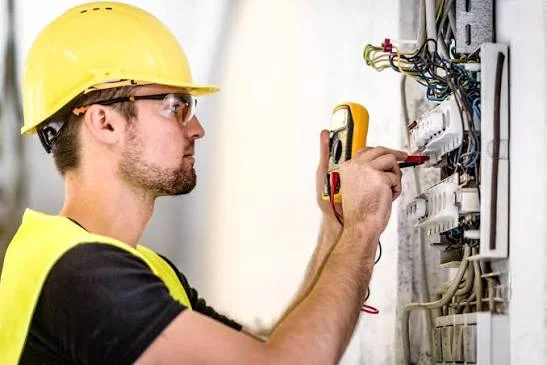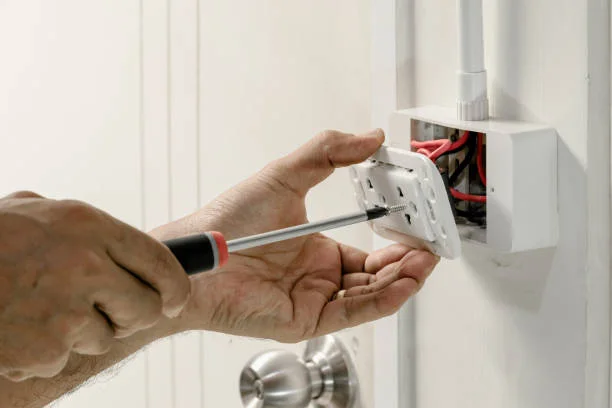

Electricians in New York City often charge around $110 to $210 per hour for professional electrical work. Your final bill depends on the job, the electrician’s experience, travel, materials, and when you need help. Some companies also charge a service-call fee before starting repairs. Small jobs may have a minimum charge, even when the work takes less than an hour. Emergency visits, complex wiring, and electrical panel repairs can cost more than simple fixes.
Knowing how much do electricians charge per hour helps you plan your budget and compare quotes. This guide explains common rates, extra fees, project costs, and ways to hire a qualified electrician in Queens, New York.
How Much Does an Electrician Cost Per Hour?

In New York City, electrician labor often costs around $110 to $210 per hour, based on published local estimates. Your actual rate may fall outside this range because every job has different needs.
The hourly rate usually pays for labor and professional skill. It may not include parts, permits, inspection fees, or the initial service call. Ask what the quoted rate covers before approving the work.
For example, an electrician who spends two hours fixing a faulty outlet may charge for both hours, plus any service fee and parts. A larger repair may require more workers, special equipment, or extra time to test the system.
These figures are estimates, not guaranteed prices from every contractor. Always request a written quote for your address and job.
Electrician Hourly Rates by Experience Level
An electrician’s training and qualifications can affect the rate. More experienced professionals may charge more because they can handle complex work and identify hidden problems.
- Apprentice electrician: Apprentices work under supervision while learning the trade. They may cost less, but they should not be hired to perform work beyond their allowed role.
- Journeyman electrician: A qualified journeyman can handle many common installation and repair tasks, subject to local rules and supervision requirements.
- Master electrician: A master electrician has advanced experience and may be qualified to oversee complex work, manage projects, or meet certain permit requirements.
Not every company lists separate prices for each level. Some charge one rate for the company’s service, which may include travel, tools, insurance, and office costs.
In New York City, confirm that the person or business meets the licensing rules for your project.
How Much Do Electricians Charge for Common Jobs?
The total price depends on the time needed, parts, access, and the condition of the existing wiring. The examples below are general budgeting guidance, not fixed quotes.
- Outlet or switch repair: A simple repair may take less than an hour, but a service minimum can make the bill higher than expected.
- Light fixture installation: Costs depend on the fixture, ceiling height, wiring condition, and whether a new electrical box is needed.
- Ceiling fan installation: Replacing an existing fan may be simpler than adding a new fan where no suitable wiring or support exists.
- New outlet installation: Running a new circuit through finished walls can take much longer than replacing an existing outlet.
- Circuit breaker repair: The electrician must identify the cause of the issue before deciding whether a breaker needs replacement.
- Electrical panel upgrade: This is a larger project that may involve permits, utility coordination, inspections, and a planned power shutoff.
- Home rewiring: Replacing old wiring can require access to walls, ceilings, and multiple rooms. The size and condition of the property affect the price.
Ask whether the estimate includes labor, materials, cleanup, and testing. A low hourly rate may not mean a lower final bill if the job takes longer or extra fees apply.
What Is an Electrician’s Service Call Fee?
A service-call fee covers the cost of sending an electrician to your home or business. It may pay for travel, the initial inspection, troubleshooting, or the first part of the visit.
Some companies charge a separate fee before hourly labor begins. Others include the first hour or diagnostic work in a minimum service charge. Policies vary, so confirm the details before booking.
Ask these questions:
- Is the service-call fee separate from hourly labor?
- Does it include troubleshooting or the first hour?
- Will the fee apply if I approve the repair?
- Is there an extra charge for travel to my area?
- What happens if the electrician cannot complete the work that day?
A clear answer helps you avoid surprises on the invoice.
What Factors Affect Electrician Hourly Rates?
Several factors can change your final cost, even when the hourly rate stays the same.
Job complexity: Replacing a damaged switch is usually simpler than tracing a fault across several circuits. Hidden wiring problems can add testing and repair time.
Time of day: Evening, weekend, and holiday visits may cost more. Emergency appointments can carry higher minimum charges than planned work.
Materials and equipment: New wiring, breakers, boxes, and other parts add to the total. Special tools or equipment may also affect the quote.
Access to the work area: Tight spaces, high ceilings, finished walls, and difficult building access can increase labor time. Apartment buildings may also have rules for scheduling work or shutting off power.
Permits and inspections: Certain electrical projects require permits and inspections. Ask the electrician which approvals apply and whether the quoted price includes them.
Location: Rates vary across New York City and nearby areas. Parking, travel, building access, and local demand can all affect the price.
Residential vs. Commercial Electrician Rates
Residential electricians work in houses, apartments, and other homes. Their jobs may include outlet repairs, lighting, fan installation, breaker problems, and home wiring.
Commercial electricians work in offices, stores, restaurants, and other business spaces. These projects may involve larger electrical systems, more circuits, equipment connections, or work outside normal business hours.
Commercial jobs may need more planning and coordination. A business may also require work to happen after closing to avoid interrupting staff or customers. These needs can increase the total cost.
Neither type of work always costs more. A simple commercial repair may take less time than a major home rewiring project. Ask for a quote based on the actual work rather than assuming one rate fits every job.
Hourly vs. Flat-Rate Electrical Pricing
Electricians may bill by the hour or offer a flat price for a defined task.
Hourly pricing means you pay for the time spent on the job, plus applicable fees and materials. This can suit repairs where the cause is unclear or the time needed is hard to predict.
Flat-rate pricing gives you one price for a clearly defined job. It can make budgeting easier when the electrician knows the work, materials, and conditions in advance.
Before choosing, ask what happens if the job takes longer than expected. For hourly work, request an estimated time range. For flat-rate work, check which parts, repairs, and follow-up visits are included.
Compare the full price and scope, not just the billing method.
How to Estimate Your Total Electrician Cost
You can make a basic estimate by adding labor, the service-call fee, materials, and any required permit or inspection costs.
For example, imagine a job takes two hours at $140 per hour. Labor would total $280. If the company charges a separate $90 service-call fee and $45 for parts, the estimated total would be $415 before any taxes or additional charges.
This is only an example, not a quote from Nooks Electrical. Your actual price may differ based on the job and the contractor’s billing policy.
For a larger project, ask for a written breakdown. It should show the planned work, estimated labor, materials, permit costs, and any conditions that could change the price.
How to Save Money When Hiring an Electrician
You can manage costs without taking risks with your electrical system.
- Group small jobs together: Ask whether several repairs can be completed during one visit.
- Book routine work early: Planned appointments may help you avoid emergency rates.
- Explain the problem clearly: Share when the issue started and what you have noticed. Do not open live electrical equipment to investigate.
- Prepare the work area: Move furniture and clear safe access to the repair location before the appointment.
- Compare written quotes: Check the work, parts, fees, and warranty instead of choosing the lowest number alone.
- Ask about repair options: A qualified electrician can explain whether a repair is suitable or replacement is necessary.
Do not attempt unsafe electrical work to save money. A mistake can lead to shock, fire, damaged equipment, or more costly repairs.
How to Compare Electrician Quotes
When deciding how to hire an electrician, begin by checking their qualifications, insurance, relevant experience, and local licensing requirements. Read recent reviews, but do not rely on reviews alone.
If you are unsure how to find electrician options in Queens, ask trusted neighbors or property managers for recommendations. You can also search local directories and check the contractor’s credentials independently.
Use these questions to ask electrician before hiring:
- Are you licensed or otherwise qualified for this type of work in New York City?
- Does your quote include the service-call fee, materials, and cleanup?
- Will this job require a permit or inspection?
- What could cause the final price to increase?
- Is the work covered by a written warranty?
- Who will perform the work, and who is responsible for the final checks?
If you manage a property or business, how to recruit electricians may also matter. Verify each candidate’s qualifications, work history, safety practices, and ability to meet the project’s requirements. Do not choose based on hourly cost alone.
For work after an earthquake, electrical hazards and plumbing damage need separate checks. If you need to know how to check your sewer line after an earthquake, contact a qualified plumbing or sewer professional. Cracked pipes, backups, or damaged earthquake drains are not tasks for an electrician. If you smell burning, see sparks, or suspect electrical damage, keep away from the affected area and contact the appropriate emergency or utility provider.
Conclusion
Electrician hourly rates in New York City often range from $110 to $210, but your final cost depends on the work, materials, service fees, and required permits. Compare written quotes, check qualifications, and ask what the price includes before work begins.
For repairs, installations, or other Electrical Services, contact Nooks Electrical to discuss your needs and request a clear estimate. Knowing the expected scope and fees can help you plan the job and make a confident hiring decision.
Frequently Asked Questions
How much do electricians charge per hour in NYC?
Published estimates commonly place New York City electrician rates around $110 to $210 per hour. Actual rates vary by contractor, job type, timing, and location.
Do electricians charge for estimates?
Some offer free estimates for planned projects, while others charge a service or diagnostic fee. Ask about the policy when booking.
Why do electricians charge a minimum fee?
A minimum fee can cover travel, setup, tools, and the time needed to inspect or test the problem. It may apply even when a small repair takes only a short time.
Are emergency electrician rates higher?
Emergency, weekend, and after-hours visits often cost more than scheduled appointments. Confirm the call-out fee and hourly rate before authorizing work, if it is safe to do so.
Should I choose the electrician with the lowest hourly rate?
Not automatically. Compare qualifications, experience, written scope, parts, fees, and warranty. A very low rate may not reflect the total cost of completing the job.
Does an electrician’s hourly rate include materials?
Not always. Many quotes list labor separately from parts, permits, and inspection fees. Ask for a written breakdown so you can compare the full cost.