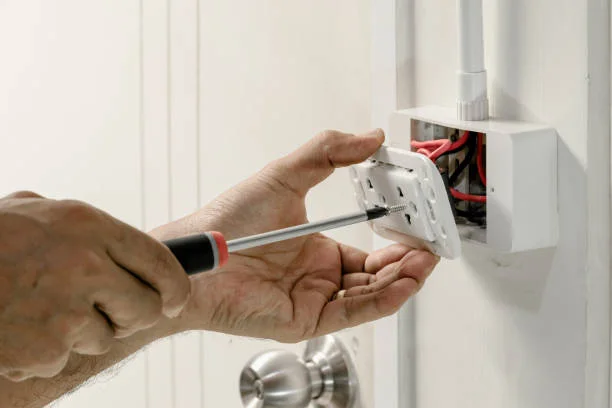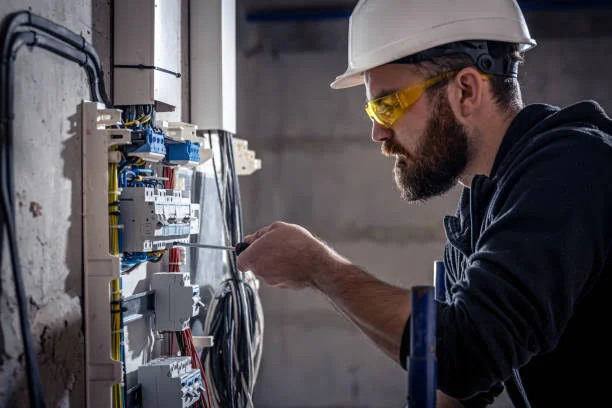

A fuse and a circuit breaker protect electrical circuits from excessive current, but they work differently. A fuse contains a metal element that melts when current exceeds its safe limit. A circuit breaker uses a switching mechanism to interrupt the flow. Once a fault is corrected, a suitable breaker can usually be reset, while a blown fuse normally needs replacement.
Understanding the difference between a fuse and a breaker helps homeowners recognize electrical problems and make informed decisions about older fuse boxes. This guide compares their safety, cost, operation, and maintenance, and explains when to seek help from a licensed electrician.
What Is a Fuse?
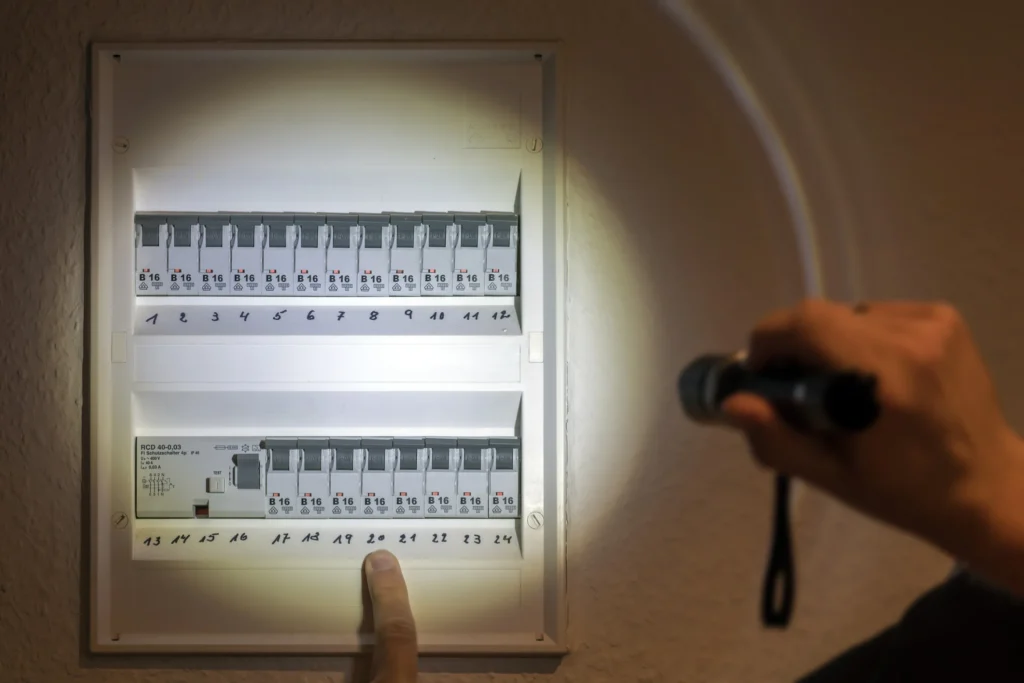
A fuse is an electrical safety device that protects a circuit from excessive current. Inside the fuse is a metal element designed to melt when current exceeds its rated limit for long enough. When that element melts, it opens the circuit and stops the flow of electricity.
Fuses come in different sizes, designs, and current ratings. They are used in vehicles, appliances, electronic equipment, and some building electrical systems. Each fuse must match the equipment and the protection requirements specified by its manufacturer.
How Does an Electrical Fuse Work?
A fuse responds to the heat created by electrical current. Under normal conditions, its metal element carries current without melting. If an overload or short circuit causes excessive current, the element heats up and eventually melts. This breaks the circuit and helps protect wiring and equipment.
For example, imagine a fault inside an appliance. If the fault causes current to rise beyond the fuse’s operating limit, the fuse may open the circuit before the damage becomes worse. The result depends on the fuse rating, fault current, and how quickly the fuse operates.
Advantages and Disadvantages of Fuses
Advantages:
- Fuses have a simple design and no reset mechanism.
- Many fuse types are inexpensive to replace.
- Properly selected fuses can interrupt high fault currents quickly.
Disadvantages:
- A blown fuse normally must be replaced.
- The replacement must have the correct type and rating.
- Repeated failures can signal a serious electrical fault.
Never replace a fuse with one that has a higher rating just to stop it from blowing. An oversized fuse may fail to protect the wiring as intended.
What Is a Circuit Breaker?
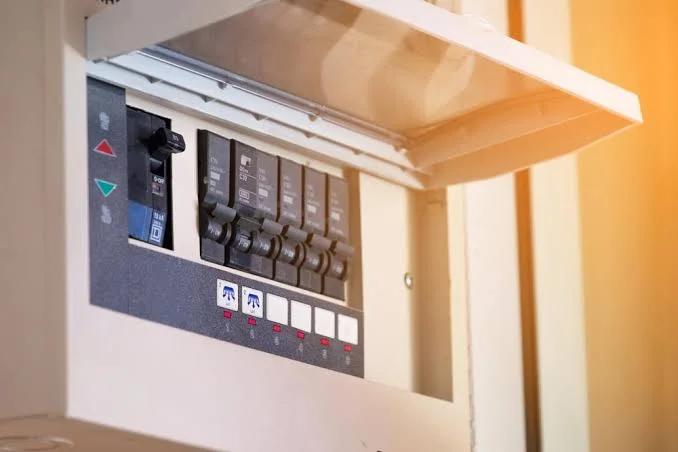
A circuit breaker is a protective switching device that interrupts electricity when it detects an overload or short circuit. It is commonly installed inside a home’s electrical panel, where individual breakers protect different circuits.
Unlike a fuse, a circuit breaker usually does not need replacing after every trip. Once the cause of the trip has been found and corrected, the breaker may be reset according to the manufacturer’s instructions.
How Does a Circuit Breaker Work?
A circuit breaker uses an internal mechanism to open its contacts when a fault is detected. Different breaker designs respond to different electrical conditions. Common household breakers provide overcurrent protection, while specialized models can offer additional protection against ground faults or arc faults.
Consider a kitchen circuit supplying several appliances. If the combined load exceeds the circuit’s safe capacity, the breaker may trip and cut power. If the breaker trips repeatedly, the cause could be an overload, faulty appliance, damaged wiring, or a problem with the breaker itself.
Advantages and Disadvantages of Circuit Breakers
Advantages:
- Most household breakers can be reset after a fault is corrected.
- The panel layout can help identify the affected circuit.
- Some breaker types provide added protection against specific electrical hazards.
- Breakers are convenient for managing circuits in modern electrical panels.
Disadvantages:
- Breakers can cost more than simple replacement fuses.
- Internal parts can wear out or fail.
- Repeated tripping requires investigation, not repeated resetting.
A circuit breaker does not repair a fault. It only interrupts the circuit to reduce the risk of damage.
Difference Between a Fuse and a Breaker
The main difference between a fuse and a breaker is how each device interrupts current and what happens afterward. A fuse’s metal element melts and usually needs replacement. A circuit breaker opens its contacts and can generally be reset once the underlying fault is resolved.
Here are the main points homeowners should understand.
1. Operating Mechanism
A fuse uses a metal element that melts under excessive current. A circuit breaker uses an internal trip mechanism to open the circuit. Both are designed to interrupt unsafe current, but their internal designs and operating characteristics differ.
2. Resetting and Replacement
A blown fuse normally needs to be replaced with the correct approved type and rating. A tripped breaker may be reset after the cause has been identified and corrected. If it trips again, stop and arrange a professional inspection.
3. Cost
A basic fuse may cost less than a circuit breaker. However, the total cost depends on the type of device, equipment, labor, and condition of the electrical system. Replacing a fuse repeatedly can also add up if an underlying fault remains unresolved.
4. Maintenance
Fuse-based systems require the correct replacement fuse whenever one blows. Circuit breakers reduce this recurring need, but they still require inspection if they show signs of damage, overheating, or repeated trips. Neither type should be treated as maintenance-free.
5. Protection and Performance
Both devices can protect against excessive current when correctly selected and installed. Their response depends on their ratings, design, and the fault conditions. Some circuit breakers provide extra arc-fault or ground-fault protection, but these functions are not built into every breaker.
6. Common Applications
Fuses are still used in many vehicles, appliances, electronic devices, and specialized systems. Circuit breakers are common in modern residential electrical panels because they are easy to reset and manage.
The best choice depends on the circuit, equipment, and applicable electrical requirements. Neither device is automatically the best option for every situation.
Fuse vs. Circuit Breaker Comparison Table
This fuse vs. circuit breaker comparison summarizes the main differences.
| Feature | Fuse | Circuit breaker |
| How it works | A metal element melts | An internal mechanism opens the circuit |
| After operation | Usually requires replacement | Usually can be reset after the fault is corrected |
| Initial device cost | Often lower | Often higher |
| Ongoing upkeep | Correct replacement fuse is needed | Inspection or replacement may be needed if faulty |
| Fault identification | May require checking individual fuses | A tripped position may help identify the circuit |
| Common applications | Vehicles, appliances, some electrical systems | Modern home electrical panels and other systems |
| Extra protection | Depends on the fuse and system | Some models offer arc-fault or ground-fault protection |
This circuit breaker vs. fuse comparison is a general guide. Actual protection depends on the device rating, installation, and electrical system design.
Are Fuses or Circuit Breakers Better for a Home?
Circuit breakers are generally more convenient for modern homes. They can usually be reset after a fault is corrected, and individual breakers make it easier to manage circuits from a central panel. Some panels can also support specialized breakers that provide added protection.
However, a properly designed fuse system can still provide effective overcurrent protection. The presence of fuses alone does not prove that a home is unsafe. The condition of the equipment, the suitability of the ratings, and the state of the wiring all matter.
If your home has an older fuse box, ask a licensed electrician to inspect its condition and capacity. The electrician can explain whether repairs are suitable or whether a panel upgrade is worth considering.
Can You Replace a Fuse With a Circuit Breaker?
Replacing a fuse-based system with a circuit breaker panel may be possible, but it is not always a simple device swap. An electrician must assess the existing wiring, panel capacity, grounding, service requirements, and applicable electrical codes.
A safe upgrade may require changes to the panel, connections, circuit layout, or other parts of the system. The exact work depends on the home’s current setup.
Do not install a breaker in a fuse holder unless the equipment is specifically designed and approved for that use. Never bypass a fuse or use a higher-rated fuse to prevent it from blowing.
In New York City, electrical work may require permits and must comply with local rules. A licensed electrician can determine which work is needed and whether approvals apply.
Signs of a Blown Fuse or Tripped Breaker
A blown fuse and a tripped breaker can cause similar symptoms, such as lights or outlets losing power. These signs may help you understand what has happened without opening electrical equipment.
Possible signs of a blown fuse:
- Part of the home loses power.
- A fuse’s indicator or visible element shows that it has operated, if the design allows safe viewing.
- The replacement fuse blows again.
- An appliance stops working because its internal fuse has opened.
Possible signs of a tripped breaker:
- Lights or outlets on one circuit stop working.
- A breaker handle appears in a tripped position.
- The breaker trips when a certain appliance runs.
- The same breaker trips repeatedly after being reset.
Do not remove a panel cover or touch exposed wiring to inspect a fuse or breaker. If you notice smoke, a burning smell, crackling sounds, scorch marks, or a hot panel, stay away and seek professional help. If there is a fire or immediate danger, leave the area and contact emergency services.
Why Does a Fuse Blow or a Breaker Trip?
Both devices may operate when current exceeds safe limits. Common causes include:
- Overloaded circuits: Too many devices draw current from one circuit.
- Short circuits: Conductors make an unintended connection, causing a sudden rise in current.
- Faulty appliances: A damaged internal component may create an electrical fault.
- Damaged wiring: Worn insulation, loose connections, or damaged cables can create dangerous conditions.
- A faulty protective device: A fuse holder or breaker may be damaged or unsuitable for the circuit.
Do not keep replacing fuses or resetting breakers without finding the cause. If the problem returns, stop using the affected circuit where safe and contact a licensed electrician.
When Should You Call an Electrician?
Call a licensed electrician if a fuse repeatedly blows, a breaker keeps tripping, or a circuit loses power for no clear reason. Professional help is also important when you notice buzzing, burning smells, scorch marks, warm outlets, or damaged electrical equipment.
An electrician can test the circuit, inspect the connections, and determine whether the fault comes from an appliance, wiring, panel, or protective device. They can also assess whether an older fuse box needs repair or an upgrade.
Avoid opening electrical panels or working on exposed conductors yourself. Protective devices reduce risk, but they do not make unsafe electrical work safe.
Conclusion
The main difference between a fuse and a breaker is how each device stops excessive current. A fuse’s metal element melts and usually needs replacement, while a circuit breaker trips and can generally be reset after the fault is corrected.
Both devices can protect electrical circuits when properly selected and installed. If your fuse keeps blowing or your breaker trips repeatedly, focus on finding the cause rather than replacing or resetting the device again and again.
For electrical faults, panel issues, or upgrade needs, Nooks Electrical offers reliable solutions tailored to your home. Explore our electrical services in Queens, NY, to learn how a qualified electrician can help keep your electrical system safe and working properly.
Frequently Asked Questions
What is the main difference between a fuse and a breaker?
A fuse interrupts current when its metal element melts, so it normally needs replacement. A circuit breaker trips open and can usually be reset after the cause of the fault is corrected.
Is a fuse safer than a circuit breaker?
Neither is always safer. Protection depends on correct ratings, suitable equipment, proper installation, and the condition of the system. Some breakers also provide extra protection against arc faults or ground faults.
Why does a fuse keep blowing?
A fuse may keep blowing because of an overloaded circuit, short circuit, faulty appliance, or damaged wiring. Repeated failures need investigation. Never install a fuse with a higher rating to stop the problem.
Why does a circuit breaker keep tripping?
Common causes include an overloaded circuit, a faulty appliance, damaged wiring, or a short circuit. If the same breaker trips repeatedly, stop resetting it and arrange a professional inspection.
Are fuses still used in modern homes?
Yes. Fuses remain common in appliances, vehicles, and certain electrical systems. Many modern homes use circuit breaker panels, but a fuse-based system is not automatically unsafe if it is suitable and properly maintained.
Can I replace a fuse with a circuit breaker myself?
Do not attempt a direct replacement unless the equipment is specifically designed and approved for it. Upgrading a fuse box may involve panel and wiring work, permits, and a licensed electrician.
Does a circuit breaker protect against every electrical hazard?
No. A standard circuit breaker provides overcurrent protection, but it does not prevent every shock or fire risk. Some hazards require other protective devices, such as ground-fault or arc-fault protection, where required.
Should I upgrade an old fuse box?
Not every older fuse box needs immediate replacement. An electrician should assess the panel’s condition, capacity, wiring, and compliance with current requirements before recommending repair or an upgrade.