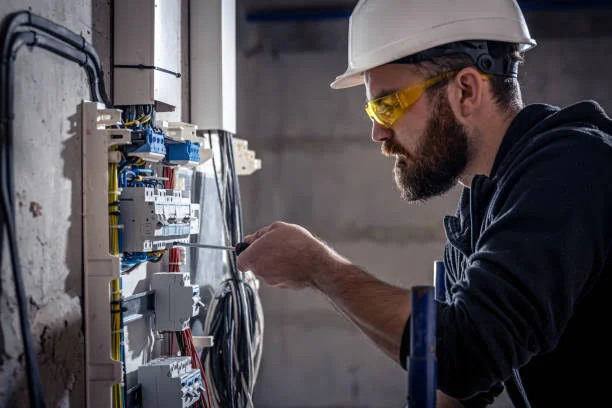
Hiring an electrician is about more than finding someone who can fix a faulty wire. You need a skilled professional who puts safety first, explains the work, and charges a fair price. The right choice can help prevent electrical fires, costly repairs, and repeat problems.
If you are learning how to hire electrician services for your home or business, start by defining the job, checking credentials, and comparing written quotes. Ask clear questions before work begins, and make sure the electrician has proper insurance. These simple steps help you choose someone you can trust.
1. Determine What Type of Electrical Work You Need
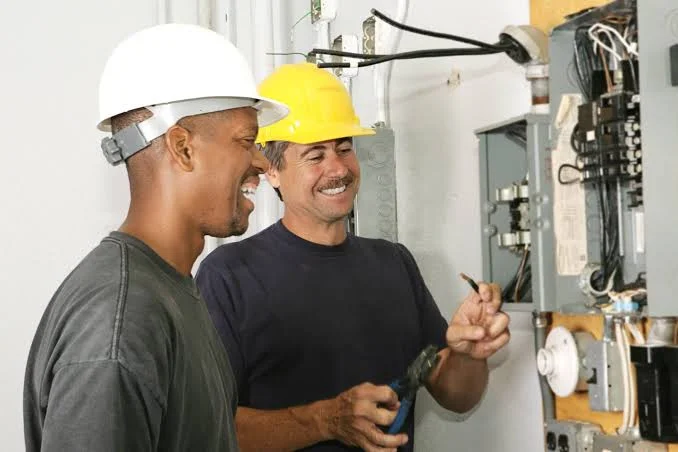
Before you search for an electrician, identify the problem and explain what needs attention. This helps you find someone with the right skills for the job.
Common electrical jobs include:
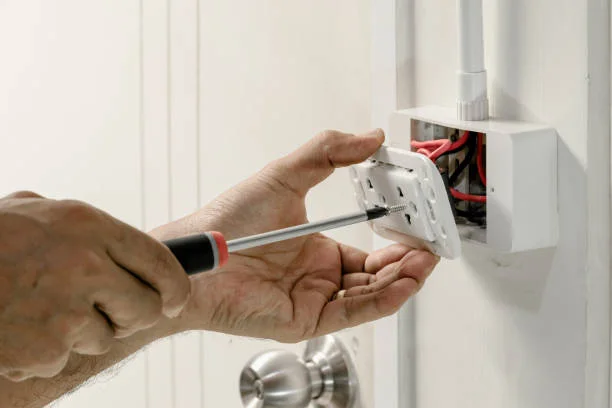
- Repairing faulty outlets, switches, and lights.
- Fixing circuit breakers that trip often.
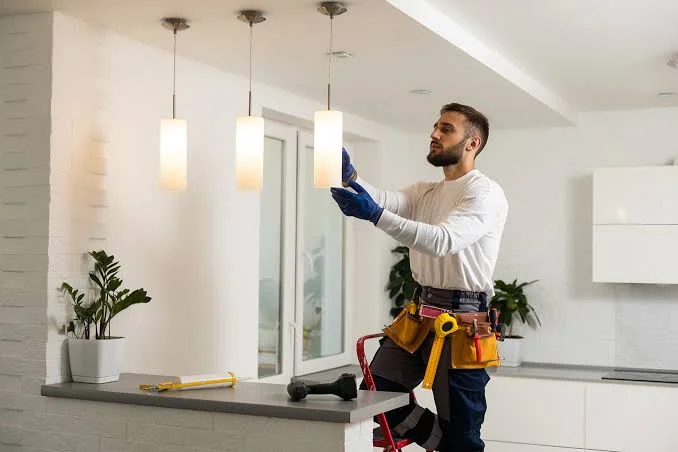
- Installing ceiling fans, new lights, or outdoor lighting.
- Upgrading electrical panels and old wiring.
- Installing EV chargers or backup generators.
- Inspecting wiring during a home renovation.
Some jobs need a specialist. For example, an EV charger installation may require an electrician with experience in dedicated circuits and load calculations.
For burning smells, sparks, or exposed live wires, keep away from the affected area. If safe, switch off power at the main breaker and call a qualified professional. Contact emergency services if there is a fire or immediate danger.
Never attempt complex electrical repairs yourself. A clear description of the issue helps the electrician bring the right tools and plan the work.
2. How to Find a Reliable Electrician
Finding a reliable electrician takes more than choosing the first name in search results. Check several sources before making your decision.
Start by asking friends, family, neighbors, or coworkers for recommendations. People who have recently completed similar work can share useful details about service quality, costs, and communication.
You can also search for local electricians online. Review their websites, service lists, customer feedback, and business details. Look for recent reviews that describe the actual work completed.
Pay attention to how the electrician handles questions and complaints. A few negative reviews do not always mean poor service. However, repeated complaints about unfinished work, hidden fees, or missed appointments deserve attention.
Ask for references when the project is large or expensive. A reliable professional should be willing to discuss relevant experience and provide suitable examples of past work.
When learning how to find electrician services in your area, compare at least three suitable candidates if time allows. Choose based on skills, safety, communication, and value rather than advertising alone.
3. Check the Electrician’s Qualifications and License
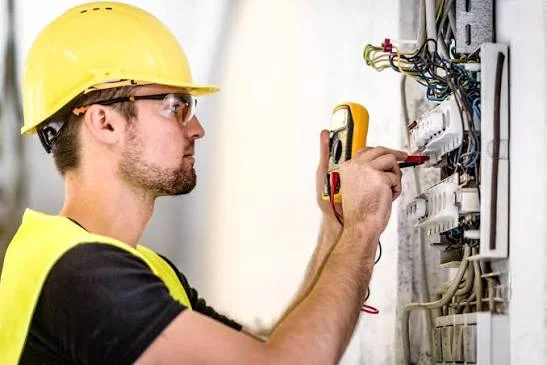
Electrical work can cause fires, serious injuries, and damage to your property when done incorrectly. That is why checking qualifications should be one of your first steps.
Ask whether the electrician holds the license, registration, or certification required in your area. Rules differ between countries, states, and local authorities. Use the relevant government or licensing board website to verify credentials when possible.
Also, check whether the electrician has experience with your particular project. Someone who mainly installs light fixtures may not be the best choice for a full panel upgrade.
Ask about their training and recent work on similar jobs. For major installations, find out whether permits or inspections are required. A qualified electrician should explain the process and identify who will arrange them.
If you are a business owner wondering how to recruit electricians, use the same checks when reviewing applicants. Verify trade qualifications, work history, safety training, and references before offering a role.
Do not rely on a business card or online profile as proof of a valid license. Confirm the details independently.
4. Make Sure the Electrician Has Insurance
Proper insurance helps protect you if an accident or property damage occurs during a job. Before work starts, ask the electrician to confirm their coverage.
The main types to ask about include:
- General liability insurance: May cover certain types of accidental property damage or injury.
- Workers’ compensation: May cover eligible work-related injuries to employees, where required by law.
- Commercial vehicle insurance: May cover business vehicles used to reach your property.
Coverage and legal requirements vary by location. Ask for current proof of insurance and verify it with the insurer if the project carries significant risk.
Do not assume that a contractor’s insurance covers every possible loss. Ask what the policy includes and whether any limits or exclusions could affect your project.
If the electrician hires subcontractors, ask who is responsible for their insurance and safety. Get clear answers before approving the work.
5. Get Multiple Quotes and Compare Prices
Request written estimates from at least two or three electricians for larger jobs. Comparing quotes helps you understand the likely cost and identify missing details.
A useful estimate should explain:
- The work included in the price.
- Labor charges and material costs.
- Any inspection or permit fees.
- The expected start date and completion time.
- Payment terms and possible extra charges.
- Warranty coverage, where offered.
Check that each electrician is quoting for the same scope of work. One contractor may include new materials and testing, while another may only quote for basic repairs.
Ask whether the price is fixed or based on hourly labor. For jobs where hidden damage may be found, ask how extra work will be approved and charged.
The cheapest quote is not always the best deal. A low price may leave out essential materials, testing, or required permits. A higher quote may include better materials or a more complete scope.
Before approving the estimate, ask the electrician to explain anything unclear. Keep a copy of the agreed price and terms for your records.
6. Questions to Ask an Electrician Before Hiring
Asking the right questions helps you judge the electrician’s skills and work practices. Use these questions during your first call or meeting.
- Are you licensed or registered for this type of work?
- Have you completed similar projects recently?
- Do you carry current insurance?
- Will you handle the required permits and inspections?
- Who will perform the work at my property?
- What materials will you use?
- How long should the job take?
- Is the quote fixed, or could extra charges apply?
- What happens if you find another problem?
- Do you offer a workmanship warranty?
- Will you test the installation before finishing?
- Can you provide references from similar jobs?
These questions help you compare electricians on more than price. Listen for clear, direct answers and a willingness to explain technical details in simple language.
A professional should also explain what they cannot confirm before inspecting the property. Be cautious if someone promises a final price without enough information about a complex repair.
7. Watch Out for These Electrician Hiring Red Flags
Some warning signs can help you avoid poor work, unexpected bills, and unsafe repairs.
Be cautious if an electrician:
- Refuses to show proof of required credentials.
- Cannot provide suitable proof of insurance.
- Gives an unusually low quote without explaining why.
- Demands full payment before work begins.
- Pressures you to make an immediate decision.
- Avoids written estimates or clear payment terms.
- Suggests skipping required permits or inspections.
- Cannot explain the planned work or materials.
Poor communication before the job can also lead to problems later. If someone repeatedly misses appointments or ignores basic questions, consider another candidate.
Never let a contractor pressure you into unsafe work. For major repairs, getting another professional opinion can help you understand whether the proposed solution is necessary.
8. What to Expect After Hiring an Electrician
Once you select an electrician, confirm the work details in writing. This gives both sides a clear record of what was agreed.
Your written agreement should cover the job scope, price, materials, schedule, payment terms, and warranty. It should also explain how changes will be handled if the electrician finds hidden damage.
Before work starts, clear the work area and keep children and pets away from tools or exposed wiring. Follow any safety instructions provided by the electrician.
During the project, ask for updates at agreed times. If the scope or price changes, request an explanation and written approval before extra work begins.
After completion, ask the electrician to test the work and explain any safety checks performed. Request relevant inspection records, permits, invoices, and warranty documents.
Do not accept unfinished work simply because the original completion date has arrived. Raise concerns promptly and ask how they will be addressed.
Keep all project records in a safe place. They can help with future repairs, property sales, and warranty claims.
9. Electrical Safety After an Earthquake
An earthquake can damage wiring, electrical panels, and underground utility lines. Even if your lights still work, hidden damage may create a safety risk.
Stay away from fallen power lines, damaged electrical equipment, and areas with standing water near electrical outlets. If you suspect damage, contact your utility provider or a qualified electrician before restoring power.
You may also need to inspect your plumbing system. If you are researching how to check your sewer line after an earthquake, watch for sewage backups, cracked pipes, or unusual drainage problems. Earthquake drains and sewer lines may need inspection by a licensed plumber.
Keep electrical and plumbing work separate when hiring contractors. An electrician handles electrical hazards, while a plumber or sewer specialist checks damaged drains and pipes.
Conclusion
Knowing how to hire electrician services helps you protect your home, budget, and family. Start by defining the job, checking qualifications, confirming insurance, and comparing written quotes. Ask clear questions and avoid contractors who refuse to explain their work.
Once you hire someone, agree on the scope, schedule, and payment terms before work begins. Request the right records and confirm that the completed work has been tested.
At Nooks Electrical, we believe informed customers make better decisions about electrical safety. Explore our electrical services to learn more about the help available for your property. Choose a qualified professional who values safe work, clear communication, and lasting results.
Frequently Asked Questions
How do I find a good electrician?
Ask trusted people for recommendations, check recent customer reviews, and compare local professionals. Verify required credentials and insurance before agreeing to any work.
Should I get three quotes before hiring an electrician?
For larger projects, three written quotes can help you compare prices and services. For urgent repairs, focus on finding a qualified professional who can respond safely and promptly.
What should I check before hiring an electrician?
Check the electrician’s license or registration, relevant experience, insurance, written estimate, payment terms, and warranty. Confirm whether permits or inspections are required for your project.
Is the cheapest electrician always the best choice?
No. A low quote may exclude important materials, testing, or permit fees. Compare the full scope of work, qualifications, and terms before making your decision.
When should I call an emergency electrician?
Call for urgent professional help if you notice burning smells, repeated breaker trips, sparking outlets, or exposed wiring. If there is a fire or immediate danger, leave the area and contact emergency services.