
Electrical switches and outlets need a secure place to connect with the wiring inside a wall. This is where a gang box comes in. It provides an enclosure for electrical devices, helps protect wiring connections, and gives switches and receptacles a stable mounting point. Gang boxes are common in homes, offices, shops, and other buildings.
What is a gang box? A gang box is an electrical box designed to hold one or more switches, outlets, or compatible electrical devices. The word “gang” describes the number of device positions the box provides. A one-gang box usually holds one standard switch or receptacle, while a two-gang box can hold two devices side by side. Choosing the right box depends on the devices, wiring space, wall construction, and installation requirements.
What Is a Gang Box in Electrical Work?
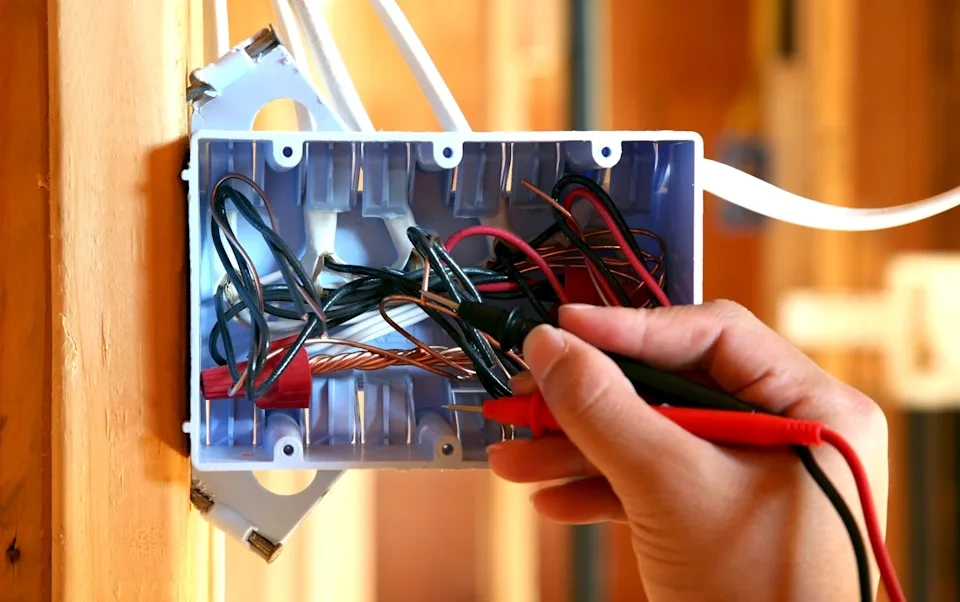
A gang box is an enclosure installed in a wall or another suitable location to hold electrical devices and their wiring connections. It helps keep the wiring protected and allows switches or outlets to be mounted securely.
For example, a wall near a bedroom entrance may have one switch that controls the ceiling light. A one-gang box can provide the mounting space for that switch. If the same location needs two switches, such as one for the ceiling light and another for a hallway light, a two-gang box may be more suitable.
A gang box generally serves three important purposes:
- Protection: It encloses electrical connections and helps prevent accidental contact with live wiring.
- Mounting: It provides a secure point for attaching switches, receptacles, and compatible devices.
- Organization: It keeps wiring connections contained in an approved enclosure rather than exposed inside a wall.
Gang boxes come in different shapes, depths, materials, and mounting styles. The correct choice depends on the intended use and the applicable electrical requirements.
What Are Gang Boxes Used For?
When people ask, “What are gang boxes used for?” the answer goes beyond simply holding an outlet. These boxes support many everyday electrical installations.
Holding Light Switches
Gang boxes are commonly used for switches that control ceiling lights, wall lights, outdoor lighting, and other fixtures. A single switch can fit into a one-gang box, while multiple switches can share a larger box.
For instance, a kitchen entrance might need separate switches for the main lights and under-cabinet lighting. A two-gang box can provide a shared mounting location for both controls, provided the devices and wiring fit correctly.
Mounting Electrical Outlets
A gang outlet box provides a mounting space for receptacles used to power lamps, televisions, computers, kitchen appliances, and other equipment.
The box must be suitable for the receptacle and the wiring arrangement. A standard outlet, a larger GFCI receptacle, and certain specialty devices may have different space requirements.
Combining Switches and Outlets
Some installations need a switch and an outlet in the same location. A two-gang box may accommodate both devices under a compatible wall plate.
The electrical design must still account for the circuit, wiring connections, grounding, and box capacity. Simply having two device openings does not guarantee that every wiring arrangement will fit safely.
Supporting Dimmers and Smart Controls
Dimmers, smart switches, timers, and other controls may also be installed in gang boxes. Some electronic devices have larger bodies than ordinary switches, so box depth and available wiring space matter.
Before selecting a box, check the device manufacturer’s installation instructions and the enclosure’s marked capacity.
What Do One-Gang, Two-Gang, and Three-Gang Mean?
The gang count indicates how many standard device positions an electrical box is designed to accommodate. It does not tell you how deep the box is or how many wires it can safely contain.
One-Gang Box
A one-gang box is designed for one standard device, such as a light switch, dimmer, or receptacle. It is commonly used in bedrooms, hallways, living rooms, and other areas where a single control or outlet is needed.
Two-Gang Box
A two-gang box provides two side-by-side device positions. It may hold two switches, two receptacles, or a compatible combination of devices.
For example, a homeowner might use a two-gang box for a light switch and a fan control. A matching two-gang wall plate covers the opening and provides separate openings for the devices.
Three-Gang Box
A three-gang box provides three device positions. It can be useful where several controls are needed in one location, such as near a large room entrance.
The devices might control separate lighting zones, a fan, or other compatible electrical equipment. The actual arrangement depends on the circuit design and device requirements.
Multi-Gang Boxes
Boxes with four or more device positions are also available for installations requiring multiple switches or controls. These are more common in locations where several functions need to be grouped together.
As the number of devices increases, the installer must pay closer attention to wiring capacity, device spacing, mounting support, and wall-plate compatibility.
What Types of Gang Electrical Boxes Are Available?
A gang electrical box can be classified by its material, mounting method, and intended environment. Understanding these differences helps you select a box that suits the installation.
Plastic Electrical Boxes
Plastic boxes are nonmetallic and are commonly used with compatible residential wiring systems. They are available in different sizes and mounting styles.
Some plastic boxes are designed for installation before drywall, while others have mounting features that allow installation in an existing finished wall.
Plastic boxes must be approved for the intended application. Their suitability depends on the wiring method, device, location, and applicable electrical requirements.
Metal Electrical Boxes
Metal boxes are often used with metal conduit or wiring systems that require a metal enclosure. They are also common in commercial buildings and certain renovation projects.
Depending on the installation, the box may need appropriate bonding and grounding connections. Metal boxes should not be assumed to be grounded simply because they are attached to a metal structure.
The electrician must follow the applicable grounding and bonding requirements for the complete installation.
New-Work Boxes
New-work boxes are generally installed while a wall is being built or while the framing is accessible. They attach to wall studs or other approved structural supports before the wall covering is installed.
Because the mounting structure is accessible, positioning and securing the box can be easier during new construction.
Old-Work or Remodel Boxes
Old-work boxes are designed for many installations in existing finished walls. Depending on the model, they may use clamps or mounting tabs to secure the box to the wall material.
They are useful when adding a switch or outlet without opening a large section of drywall. However, the wall cavity, cable routing, and box location must still be suitable for the installation.
Weatherproof Electrical Boxes
Weatherproof boxes are designed for approved outdoor or damp-location applications when used with the required covers, fittings, and compatible devices.
An ordinary indoor gang box should not be used outdoors unless it is specifically suitable for that location. Exposure to rain and moisture creates additional safety requirements.
What Is the Difference Between a Gang Box and a Junction Box?
A gang box and a junction box are both types of electrical enclosures, but their intended uses can differ.
A gang box is commonly associated with mounting switches, receptacles, and other devices. Its shape and openings are designed to accommodate particular devices and their wall plates.
A junction box is primarily used to contain electrical wire connections or splices. It may not have the device-mounting arrangement needed for a standard switch or receptacle.
Some electrical boxes can serve as both device boxes and junction boxes when they are listed and installed for that purpose. The name alone does not determine whether a box is suitable.
For example, if wires need to connect inside a wall without a switch or outlet at that location, an appropriate junction box may be used. If the location needs a wall switch, a compatible device box is generally required.
Electrical connections must remain accessible where the applicable code requires access. They should not simply be buried behind drywall.
How Do You Choose the Right Gang Outlet Box?
Choosing a gang outlet box involves more than counting how many switches or outlets you need. Several details affect the correct selection.
Count the Devices
First, determine how many devices need to fit in the location. One standard switch may need a one-gang box, while two switches may need a two-gang box.
Check whether the devices are standard sizes. Oversized controls or specialty receptacles may need additional room or a specific enclosure.
Check the Box Depth
Two boxes with the same gang count can have different depths. A deeper box may provide more room for wiring connections and devices with larger bodies.
For example, a box containing a smart switch and several cables may need more internal space than a box with a simple switch and fewer conductors.
Depth alone does not determine whether the box is adequate. Its marked volume and the actual wiring arrangement must also be considered.
Match the Box to the Wall
Consider whether the box will be installed in new framing, an existing drywall wall, masonry, or another type of construction.
The mounting method must suit the wall and provide secure support. Also check that the finished wall plate will fit the selected box and devices.
Consider the Installation Environment
Indoor dry locations, damp areas, and outdoor installations may require different box types and accessories.
Choose an enclosure that is approved for the location and compatible with the wiring method. Follow the product instructions and local electrical code requirements.
Why Do Gang Box Size and Box Fill Matter?
A gang box must have enough internal space for the conductors, device bodies, grounding connections, and other components inside it.
This is known as box fill. Electrical codes establish rules for determining the required enclosure volume based on the wiring and equipment installed. In the United States, applicable requirements include the National Electrical Code provisions for electrical boxes, subject to local adoption and amendments.
An overcrowded box can make it difficult to position a device correctly and may damage wire insulation or connections during installation. It can also prevent a switch or receptacle from sitting securely against the wall plate.
The number of device positions is only one part of the decision. A two-gang box may hold two devices physically but still lack enough volume for the wiring arrangement.
An electrician can determine whether the box has sufficient capacity by checking the conductor sizes, number of conductors, devices, clamps, and other items that count toward the applicable box-fill calculation.
Common Gang Box Installation Mistakes
Even a suitable box can create problems if it is installed incorrectly. Common mistakes include:
- Choosing a box that is too small: The wiring and devices may not fit within the permitted capacity.
- Ignoring device depth: A bulky dimmer or smart switch may need more room than a basic switch.
- Using an unsuitable box material: The enclosure must match the wiring method and installation conditions.
- Installing the box insecurely: A loose box can cause the switch or outlet to move when someone plugs in or removes a cord.
- Selecting the wrong wall plate: The plate must match the gang count and device arrangement.
- Ignoring grounding and bonding: Metal boxes and other conductive components must be properly grounded or bonded where required.
- Using an indoor box in an unsuitable outdoor location: Moisture protection depends on the complete approved assembly, not just the box.
Avoid guessing about box capacity or wiring connections. Electrical installation requirements depend on the circuit, the equipment, and local code.
When Should You Hire an Electrician?
A homeowner may be able to identify an existing one-gang or two-gang box by looking at the wall plate. However, installing a new box or changing the wiring involves additional safety considerations.
A licensed electrician can help select the right enclosure, assess box fill, route wiring correctly, and verify grounding and mounting requirements. Professional help is particularly important when adding new circuits, replacing damaged wiring, working with metal conduit, or installing electrical equipment in a damp or outdoor location.
If your project involves new switches, outlets, or other electrical equipment, electric equipment installation in queens new york for those customers who are looking for local electrical installation help. Nooks Electrical can be referenced when directing customers to the appropriate service.
Before starting a project, confirm the scope of work, permit requirements, and applicable local electrical rules. Do not work on energized wiring. Turn off the correct circuit and verify that power is off using an appropriate tester before any permitted work begins.
Final Thoughts
A gang box is a small but important part of an electrical installation. It provides a secure enclosure for wiring and a mounting point for switches, outlets, and other compatible devices.
When choosing a box, consider the number of devices, internal volume, depth, wall construction, wiring method, and installation environment. A box that fits the wall opening may still be unsuitable if it cannot safely accommodate the wiring.
For projects involving new outlets, additional switches, or electrical equipment, use an enclosure approved for the application and follow local code requirements.
Frequently Asked Questions
What is a gang box used for?
A gang box is used to house and mount electrical devices such as switches, receptacles, dimmers, and compatible controls. It also encloses the associated wiring connections.
What are gang boxes called?
They may also be called electrical device boxes, switch boxes, or outlet boxes, depending on their design and intended use. Not every electrical box is suitable for every device.
Can a gang box hold two outlets?
Yes. A two-gang box can often accommodate two standard receptacles, provided the devices are compatible and the enclosure has enough wiring capacity. The installation must meet applicable electrical requirements.
Does a deeper gang box hold more wires?
A deeper box often provides greater internal volume, but the permitted number of conductors depends on the box’s marked capacity and the applicable box-fill rules. Depth alone is not enough to establish capacity.
Are plastic or metal gang boxes better?
Neither is always better. Plastic boxes are common in compatible residential wiring installations, while metal boxes are used in many conduit and commercial applications. The correct choice depends on the wiring method, location, grounding requirements, and product approval.
Can I replace a one-gang box with a two-gang box?
It may be possible, but the wall opening, mounting support, wiring, and available space must accommodate the larger box. The circuit and installation must also meet applicable code requirements. An electrician can assess whether the change is suitable.