Electric boilers provide home heating and hot water, but their electricity use can increase your monthly bills. The good news is that you can often reduce energy waste without replacing your existing system. Small changes to your thermostat, heating schedule, insulation, and hot water habits can help lower running costs.
If you want to learn how to save money with electric boiler systems, start by understanding how your boiler works and when it uses the most electricity. The right approach depends on your home, electricity tariff, and boiler type. Here are practical ways to reduce unnecessary energy use while keeping your home comfortable.
How to Save Money With Electric Boiler
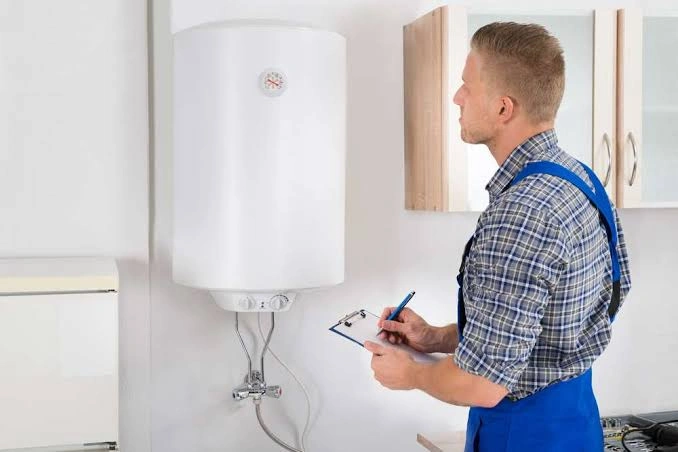
The best way to lower electric boiler costs is to use less electricity without making your home uncomfortable. Start with these practical steps:
- Set your room thermostat to a comfortable temperature.
- Use heating timers that match your daily routine.
- Improve insulation to reduce heat loss.
- Reduce unnecessary hot water use.
- Compare electricity tariffs to find a suitable rate.
- Check your boiler controls and arrange maintenance when needed.
- Heat only the rooms you need when your system allows it.
Not every tip will work equally well in every home. A boiler connected to a hot water cylinder may need different settings from one that provides heating through radiators.
Start with changes that cost little or nothing. Track your electricity use for a few weeks and compare it with your earlier consumption. This helps you identify which changes are actually reducing your bill.
Understand Your Electric Boiler Running Costs
Before trying to save money, find out how much electricity your boiler uses. Your electric boiler running costs depend on its power rating, operating time, electricity price, and the amount of heat your home needs.
You can estimate the cost using this simple formula:
Electricity cost = Power in kW × Hours used × Electricity price per kWh
For example, suppose your boiler has a 9 kW rating and operates at full power for two hours. Your electricity tariff is $0.20 per kWh.
- Electricity used: 9 kW × 2 hours = 18 kWh
- Estimated cost: 18 kWh × $0.20 = $3.60
This is an example, not a typical daily bill. Many boilers switch their heating elements on and off as needed, so actual consumption may be lower.
To understand the cost of running an electric boiler in your home, check your electricity bill for the price per kWh. A smart meter or energy monitor may also help you track consumption.
Remember that your total electricity bill includes other household appliances. If you cannot measure the boiler separately, your meter may not show its exact energy use.
Adjust Your Thermostat and Temperature Settings
Your thermostat controls when your heating system needs to provide more heat. Setting it higher than necessary can make the boiler use more electricity to maintain a warmer home.
Choose a comfortable room temperature that suits your household. If you feel comfortable at a slightly lower setting, try reducing it gradually and monitor the results.
A programmable thermostat can help maintain a regular schedule. You can set your heating to run when you need it rather than keeping your home warmer throughout the day.
However, room heating and stored hot water are different. Lowering the room thermostat does not necessarily change the temperature of water stored in a cylinder.
If your electric boiler heats stored domestic hot water, follow the boiler and cylinder manufacturer’s instructions for safe temperatures. Do not lower hot water settings without checking the system’s safety requirements.
Avoid changing several settings at once. Adjust one setting, monitor comfort and electricity use, and then decide whether another change is worthwhile.
Use Timers and Heating Controls Wisely
A timer can reduce wasted heating by matching boiler operation to your daily routine. If your home is empty during certain hours, you may not need the same heating schedule throughout the day.
For example, a household that leaves for work in the morning might schedule heating around the times people are usually at home. A household with someone working remotely may need a different schedule.
Here are a few ways to use heating controls effectively:
- Set heating periods: Schedule heating around your usual waking, working, and sleeping hours.
- Use separate zones: If your system supports zoning, heat different areas according to their needs.
- Avoid unnecessary heating: Do not heat empty rooms more than needed to protect against cold or damp.
- Review your schedule: Change the timer when your routine changes.
- Check the controls: Make sure your thermostat and timer settings work together.
Some electric boilers work with thermal storage systems or hot water cylinders. These systems may benefit from heating water during cheaper electricity periods if your tariff and controls support it.
Do not assume that switching a boiler off and on repeatedly always saves money. The best schedule depends on your heating system, insulation, and how quickly your home loses heat.
Improve Home Insulation and Reduce Heat Loss
If your home loses heat quickly, your boiler must supply more heat to keep rooms comfortable. Improving insulation can reduce this demand and help lower heating costs over time.
Start by checking common areas where heat escapes.
Seal draughts around doors and windows. Small gaps can let cold air enter and warm air escape. Suitable draught-proofing can make rooms more comfortable.
Improve loft or attic insulation. If your home has an accessible loft, check whether the insulation meets current local recommendations. Proper installation matters because gaps can reduce its effectiveness.
Check wall insulation. Poorly insulated walls can lose heat. The best improvement depends on the home’s construction and condition.
Insulate exposed hot water pipes. Suitable pipe insulation can reduce heat loss between the boiler, cylinder, and taps. Follow the manufacturer’s instructions when installing it.
Use curtains and blinds wisely. Closing them after dark can help reduce heat loss through windows. Open them during sunny periods when useful daylight can provide warmth.
Renters can often start with draught excluders, suitable curtains, and other removable measures. Ask the landlord before making permanent changes to insulation or heating equipment.
Insulation improvements may cost money upfront, so consider the home’s condition, local energy prices, and how long you expect to stay before choosing major upgrades.
Reduce Hot Water Waste
Heating water can contribute to your electricity bill, especially if your household uses large amounts of hot water. Reducing unnecessary use can lower demand without affecting everyday comfort too much.
Start with simple habits. Take shorter showers, avoid leaving hot water running, and use only the amount you need. Fix dripping hot taps because they waste water and the energy used to heat it.
If your system has a hot water cylinder, check whether its insulation is in good condition. A well-insulated cylinder can help keep stored water warm for longer, reducing heat loss between heating periods.
You can also review your hot water schedule. If the system heats a cylinder, avoid heating a large supply of water when nobody needs it. Follow the manufacturer’s guidance for scheduling and safe storage temperatures.
Some homes have electric boilers that heat water on demand rather than storing it. In those systems, cylinder insulation and storage schedules may not apply. Focus instead on reducing hot water waste and checking the controls.
Do not block boiler vents or alter safety controls to reduce energy use. If you are unsure how your system heats water, check the manual or ask a qualified professional.
Check Your Electricity Tariff
Your electricity price affects the cost of every unit of energy your boiler uses. Even when your consumption stays the same, a change in your tariff can affect your bill.
Review your electricity statement to find your price per kilowatt-hour, standing charges, and any time-based rates. If your supplier offers different plans, compare the total costs rather than looking at one rate alone.
Some tariffs charge less during specific hours. If you have a compatible meter and heating system, you may be able to schedule some electricity use during cheaper periods.
For example, a home with a thermal storage system may be able to heat water when electricity prices are lower and use that stored heat later. This approach is less suitable for systems that cannot store heat or shift their demand.
Before changing tariffs, check:
- The price per kWh during each time period.
- Whether the plan has a higher standing charge.
- Which hours have lower prices.
- Whether your boiler and controls can use those hours effectively.
- Whether the plan suits your household’s routine.
Do not assume that every time-of-use tariff will lower your bill. Your savings depend on your usage pattern and the rates available.
Maintain Your Electric Boiler
Regular checks can help your heating system work as intended and identify problems before they become costly. Electric boilers do not burn fuel like gas or oil boilers, but their electrical parts, pumps, valves, and controls can still develop faults.
Watch for signs such as unusual noises, repeated shutdowns, uneven heating, leaks, or a sudden increase in electricity use without a clear reason.
You can safely check the thermostat settings, timer schedule, and visible error messages. Keep the area around the boiler clear and follow the manufacturer’s instructions for routine care.
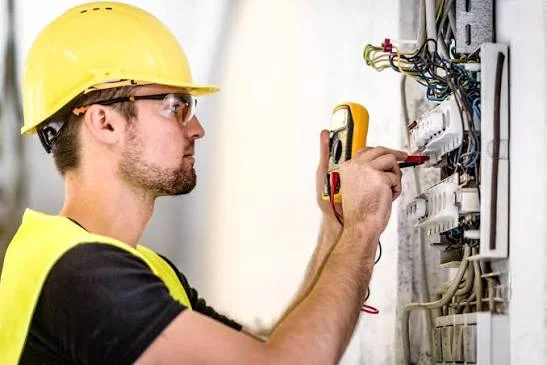
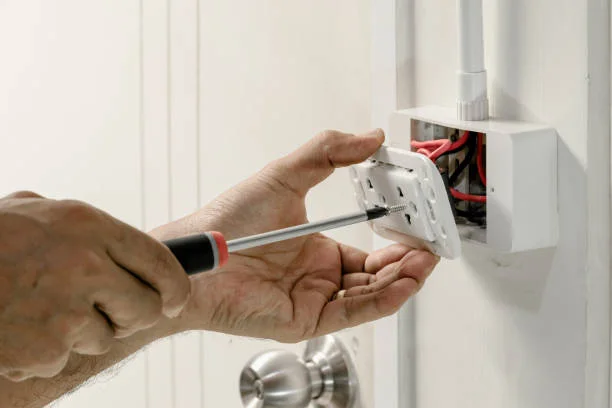
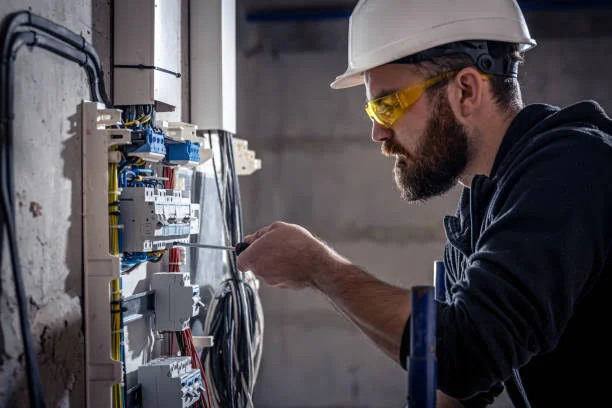
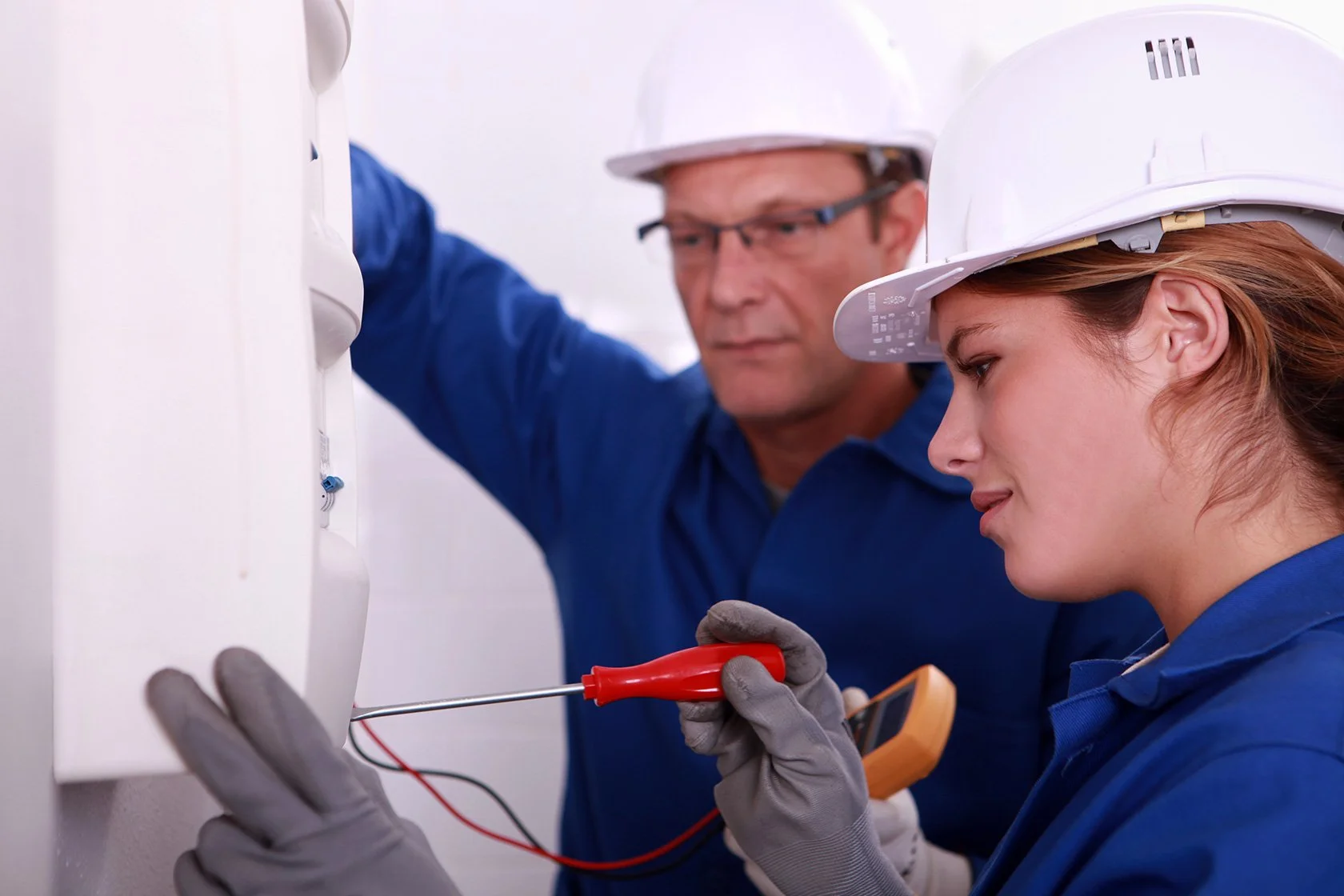
Leave electrical repairs and internal boiler work to qualified professionals. Do not remove electrical covers, work on live wiring, or attempt to repair heating elements yourself.
If you suspect faulty wiring, damaged electrical connections, or an issue with your boiler’s power supply, contact a qualified electrician for professional assistance. For expert help with boiler-related electrical issues, explore Boiler Electrical Services in Queens New York from Nooks Electrical to ensure your boiler’s electrical system is inspected and maintained safely.
A professional can assess the electrical issue and help determine whether the boiler, its controls, or its power supply needs attention. Routine maintenance does not guarantee a lower bill, but it can help identify faults and reduce the risk of unexpected breakdowns.
Common Mistakes That Increase Electric Boiler Running Costs
Some habits can make heating more expensive without improving comfort. Avoid these common mistakes when managing your electric boiler.
Heating an empty home at full comfort temperature: If nobody is home, your usual schedule may provide more heat than necessary. Use appropriate setback settings while protecting the home against cold and damp.
Setting the thermostat too high: A higher setting does not make a room heat faster in every system. It can simply make the heating run longer before the target temperature is reached.
Ignoring draughts: A boiler may need to provide more heat when warm air escapes through gaps around doors and windows.
Heating water that is not needed: An unsuitable hot water schedule can waste energy, especially in systems that store hot water.
Assuming every tariff is cheaper: A lower off-peak price may not compensate for higher rates during the rest of the day. Compare your actual usage with the full tariff.
Changing settings without checking the manual: Incorrect adjustments can reduce comfort or affect hot water safety. Follow the manufacturer’s guidance.
The most useful approach is to identify where your household uses electricity unnecessarily, then make changes that suit your system.
When to Repair or Replace an Electric Boiler
An older boiler is not automatically expensive to run. Before replacing it, check whether the high bill comes from increased heating demand, poor insulation, control settings, or a fault.
If the boiler repeatedly shuts down, struggles to heat rooms, makes unusual noises, or shows persistent error codes, arrange a professional inspection. A faulty thermostat or control may be easier to fix than replacing the entire unit.
When comparing repair and replacement, consider the age of the boiler, repair costs, availability of parts, and expected future operating costs. Ask for an itemised estimate before making a decision.
Electric resistance boilers convert nearly all the electricity they consume into heat at the point of use. A newer resistance boiler may not deliver large energy savings simply because it is newer. Savings depend on the controls, heat losses, and the equipment being replaced.
If you are considering a heat pump or another heating system, compare installation costs, expected energy use, maintenance needs, and your home’s suitability. A more efficient system may lower running costs, but upfront expenses and local electricity prices matter.
Conclusion
Learning how to save money with electric boiler systems starts with understanding your home’s heating needs and electricity use. Adjust your thermostat, use suitable timers, reduce hot water waste, and limit heat loss through draught-proofing and insulation.
Check your electricity tariff and monitor your usage before spending money on major upgrades. If your bill rises unexpectedly or your boiler develops a fault, seek professional advice rather than attempting electrical repairs yourself.
With the right settings and a few practical changes, you can reduce unnecessary energy use while keeping your home comfortable.
Frequently Asked Questions
How can I reduce my electric boiler bill?
Use suitable thermostat settings, match heating schedules to your routine, reduce hot water waste, improve insulation, and compare electricity tariffs. Track your energy use to find which changes help most.
Is it cheaper to leave an electric boiler on all day?
Not always. Keeping heating on all day can use more electricity when the home does not need heat. Timed heating or suitable setback settings may help, depending on your system and how quickly the home loses heat.
What affects the cost of running an electric boiler?
The main factors are electricity consumption, your tariff, heating demand, hot water use, insulation, and control settings. A larger boiler does not necessarily use its full rated power continuously.
Does turning down the thermostat save electricity?
It can. A lower room temperature generally reduces heat loss from the home, so less energy may be needed to maintain it. Choose a setting that remains comfortable and suitable for the people living there.
Can I run an electric boiler during off-peak hours?
You may be able to if your tariff offers cheaper hours and your heating system can shift its electricity use. Systems with thermal storage or a hot water cylinder may offer more flexibility than systems that need immediate heat.
Does an electric boiler need regular maintenance?
Yes. Follow the manufacturer’s maintenance instructions and arrange professional checks when required. Have faults, leaks, repeated shutdowns, and electrical problems assessed by a qualified professional.